How a Landlord-Tenant lawyer Helps Landlords and Tenants Navigate Disputes
Are you caught in a stressful dispute with your landlord or tenant? Landlord-tenant disputes can be overwhelming. Late rent payments, evictions, or lease disagreements, including an eviction case, can create tension and financial stress for both parties. A landlord-tenant lawyer provides clarity and legal assistance in these challenging situations. This article will explore how these legal experts help resolve conflicts and restore peace of mind.
Understanding the Landlord-Tenant Law
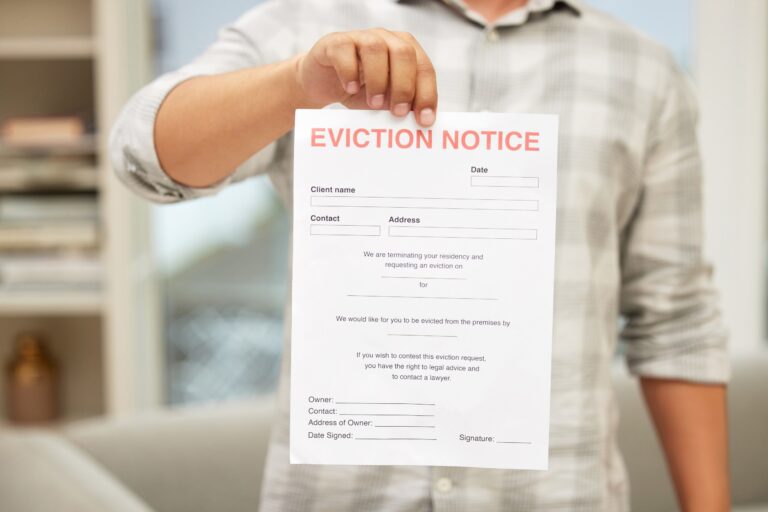
Landlord-tenant law regulates the renting of commercial and residential properties. It helps both tenants and landlords understand their rights and responsibilities through predefined regulations. One legal issue this law covers is the eviction notice, which is crucial for tenants facing eviction threats to seek legal assistance. By covering legal issues related to property maintenance, rental agreement compliance, and eviction, landlord-tenant law allows both sides to navigate the complexities of landlord-tenant relationships. Understanding what the law holds for tenants and landlords can help resolve and prevent disputes.
Overview of Landlord-Tenant Law and Its Importance
Landlord–tenant law is a cornerstone of real estate law, governing the intricate relationship between landlords and tenants. This body of law is essential for both parties to understand, as it delineates their rights and responsibilities, helping avoid disputes and ensure a smooth rental experience. Landlord-tenant law encompasses various critical aspects, including lease agreements, rent payments, security deposits, repairs and maintenance, and eviction procedures. By having a comprehensive understanding of these laws, landlords and tenants can navigate the complexities of renting a property more effectively and prevent potential conflicts from arising.
The Fair Housing Act and Its Provisions
The Fair Housing Act is a pivotal federal law that prohibits discrimination in housing based on race, color, religion, sex, national origin, disability, and familial status. This Act makes it illegal for housing providers to refuse to rent or sell a property, impose different terms or conditions, or make statements that indicate a preference or limitation based on these protected characteristics. Furthermore, the Fair Housing Act requires housing providers to make reasonable accommodations for individuals with disabilities and to provide reasonable modifications to the property to ensure equal access. By adhering to these provisions, housing providers can foster an inclusive environment and uphold the fair housing rights of all individuals.
Landlord Protections and Obligations
A landlord’s responsibilities begin with a lease agreement that follows state laws and local ordinances. They must provide a safe, livable home meeting local standards and fair housing regulations, which vary by state. For instance, in Florida, tenants must activate electricity before moving in.
Landlords handle repairs and maintenance. The lease outlines responsibilities and reasonable time for repairs. They enforce rules on tenant behavior and rent payments while adhering to laws on evictions and rent control. Usually, this requires consulting legal services to stay within the law.
Tenant Rights and Responsibilities
Tenants should preserve the integrity of the rental property and pay their rent on time. Under the Fair Housing Act, tenants are entitled to reasonable accommodation, which requires housing providers to make necessary modifications for individuals with disabilities. Commercial and residential lease agreements may include restrictions like no smoking or fixed rent payment dates. The lease agreement will also include specifics regarding the tenant’s security deposit.
If the lease says you cannot use the security deposit to pay the last monthly rent, you won’t be able to do so. Therefore, it is vital to seek legal counsel before signing the lease. If the tenants or the landlord fail to follow the rules mentioned in the lease, it can lead to disputes and evictions. That’s where an attorney can help level the field and resolve issues.
Role of Landlord-Tenant Lawyer in Lease Negotiations and Payment Disputes
Navigating landlord-tenant law can feel overwhelming, especially if you’re unfamiliar with local ordinances or lease terminology. That’s where a landlord-tenant lawyer or housing attorney comes in. These legal professionals specialize in the specific regulations governing your area, ensuring landlords and tenants understand their rights and responsibilities before conflicts escalate. Whether you’re a landlord dealing with late rent or a tenant disputing unfair charges, an attorney is a neutral guide to clarify payment terms, explain legal agreements, and help negotiate feasible solutions for both parties.
If a dispute arises—such as a tenant’s security deposit not being returned or a landlord seeking overdue rent—the lawyer will review the lease and assess whether all parties have met their obligations under the law. By mediating discussions and proposing compromises, they can often prevent these disagreements from spiraling into costly litigation. Should legal action become necessary, your attorney will ensure proper procedures are followed, so you can focus on resolving the core issue rather than deciphering complex court rules. Ultimately, a landlord-tenant lawyer helps landlords and tenants protect their financial interests, understand payment responsibilities clearly, and foster a more positive rental experience.
Resolving Lease Agreement Issues
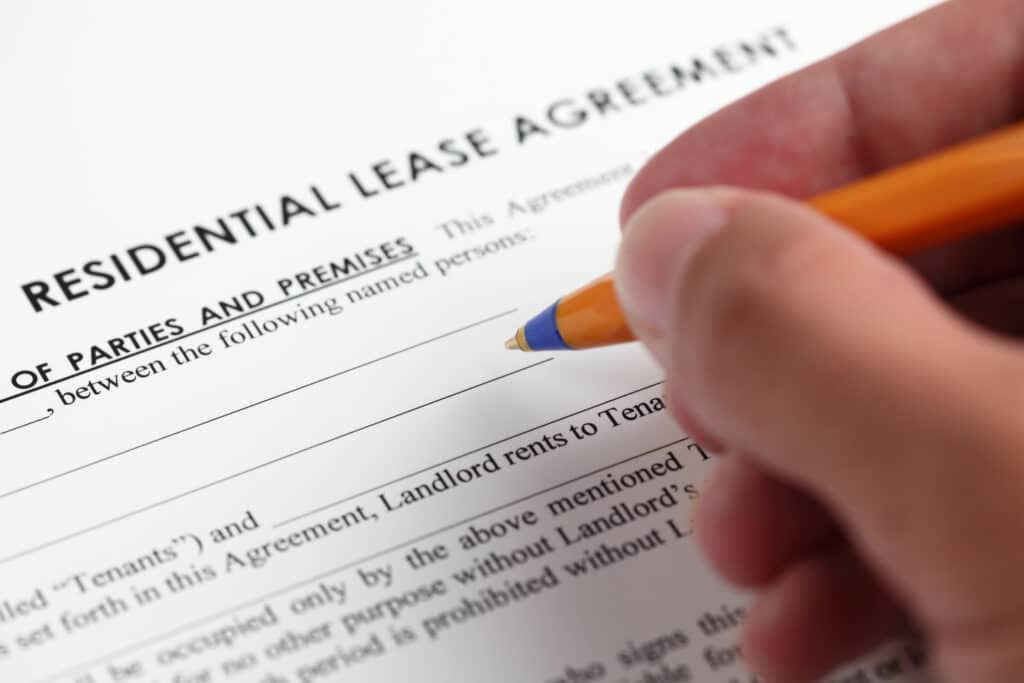
Lease agreements may serve as the starting point for disputes. Prospective tenants can feel the lease needs to contain fair terms for both parties. Rent increases, security deposits, and living restrictions are other common disagreements. But, despite these challenges, 60% of renters have never negotiated their lease terms based on a 2024 LendingTree survey. In these situations, an attorney can help negotiate leases and ensure they align with local laws.
Legal professionals can take action if a party violates the lease. This also applies to false accusations of property damage or misuse claims that may cause wrongful evictions. If the negotiation does not settle the dispute, the next stage is legal representation in court. The goal is to protect the landlord or tenant’s rights and reach fair solutions.
Handling Rent Payment Disputes
Another reason for landlord-tenant conflicts is rent payment issues. The tenant may not pay rent on time or disagree with the amount owed. An attorney can advise the building owner in such scenarios and facilitate negotiation. If not successful, they can also represent rent-related lawsuits in court.
Landlords in rental property investments may rely on rental income to cover mortgage payments. A lawyer can help them avoid financial harm, such as foreclosure risks. If the tenants believe the rental amount is not by the law, the attorney can defend against claims of unpaid rent.
Settling Disputes Over Security Deposits
Security deposits are another area where landlords and tenants conflict. Building owners consider the deposit a way to cover property damage and unpaid rent. At the same time, tenants expect to receive it back when they move out.
If tenants believe their security deposit is improperly handled, they should discuss it with their landlord or property manager. Suppose this conversation does not resolve the problem. In that case, they can seek assistance from a landlord-tenant lawyer, who can help them recover their security deposit. This can be done through mediation or by taking the case to small claims court.
Managing Rent Increase Disputes
Rent increases are another key factor contributing to landlord-tenant conflicts. According to data from the U.S. Census Bureau, rents across the U.S. increased by 30.4% between 2019 and 2023. Tenants may claim such increases are unfair, leading to rental agreement compliance issues. The owner may argue that it is inevitable due to increasing market rates and property maintenance costs.
Generally, landlords have the right to increase rent. However, this should be mentioned in a prior written consent or lease. Alternatively, they can raise rent at the end of a lease or during a month-to-month agreement. This requires a written agreement or an appropriate notice 30 days in advance. If the landlord fails to follow these conditions, an attorney can help the tenants challenge the rent increases and assist the landlords in staying within the local rent control laws.
Legal Representation in Resolving More Complex Disputes
Sometimes, negotiations may not settle the disputes. The case may require formal actions to protect the landlord or tenant’s rights. A legal representative involves a landlord-tenant lawyer acting to protect your rights and interests. It becomes a necessity in dispute resolution for more serious matters such as harassment and discrimination claims, significant lease violations, and facing evictions.
Addressing the Tenant Harassment
Tenant harassment is a serious issue that requires legal assistance. It involves gross negligence of tenant rights, intending to force the tenant to move out of the property. According to a recent survey by LendingTree, 33% of renters have experienced discrimination from their landlords. Moreover, at least 1 in 5 have dealt with a legal dispute. The harassment may result from discrimination based on race, color, religion, or sexual orientation.
The landlord may use willful acts such as making threats, cutting off utilities, not making repairs, or unfairly raising the rent. A lawyer can educate the tenants about fair housing regulations and provide legal representation. This involves gathering harassment evidence and filing legal complaints. For landlords, the attorney can give a clear explanation of the tenant harassment law to prevent false harassment accusations.
Mediation and Court Representation
Mediation is the second stage in resolving disputes after communication between landlord and tenant fails. It allows both parties to present their concerns in an organized setting. The lawyer is the neutral party who guides the negotiations. This way, both parties can settle free of any bias.
Mediation may only sometimes succeed. Litigation becomes the final resort in defending the tenant’s or landlord’s protections. In litigation, a landlord-tenant lawyer takes the dispute to court through a series of steps: filing the lawsuit, standing trial, and appealing the decision.
Navigating the Eviction Process and Eviction Notice
A 2022 research estimate shows that over 3.6 million eviction cases are filed annually in the U.S.
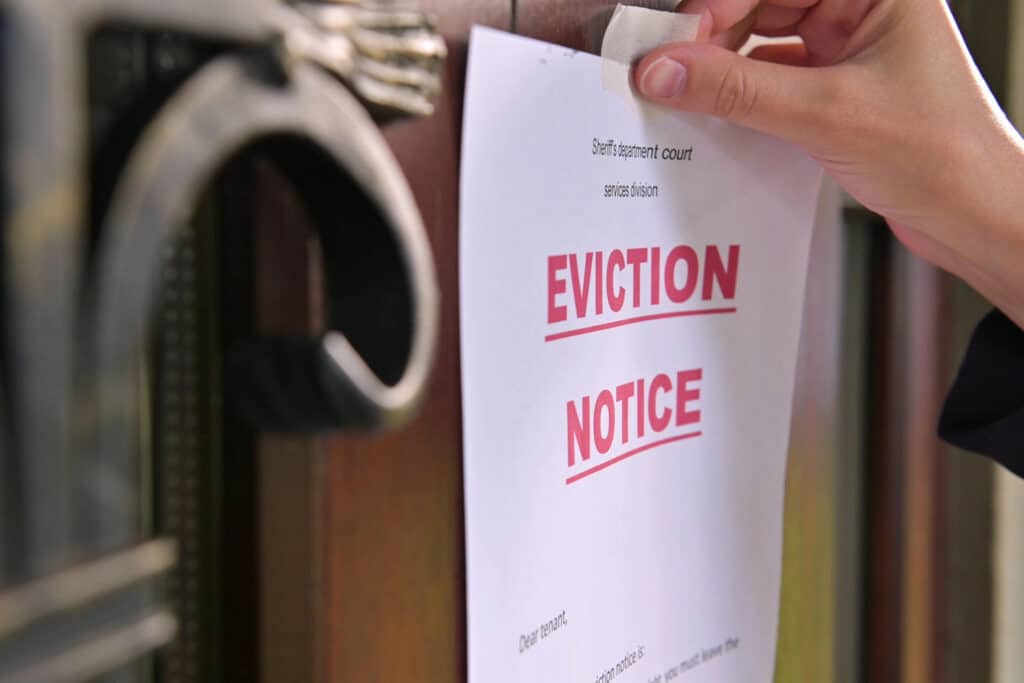
An eviction is the legal process by which a landlord removes a tenant from the rental property. It is the final straw in the breakdown of the landlord-tenant relationship. Whether eviction results from nonpayment of rent or lease violations, it must be preceded by an eviction notice.
If the tenant does not comply with the eviction notice, legal professionals can help the landlord file a lawsuit and obtain a court order to remove the tenant. However, eviction laws are complex, and the case can be delayed or dismissed if the landlord fails to follow the appropriate eviction process.
Preventing Disputes Before They Arise: How a Lawyer Can Help
A landlord-tenant lawyer can provide expert legal guidance to prevent disputes. From contract drafting to managing security deposits and providing legal counsel, the lawyer paves the way to navigating the landlord-tenant relationship without conflicts.
Drafting Lease Agreements
A well-written lease agreement forms the basics of a strong landlord-tenant relationship. A housing attorney specializing in landlord-tenant law can help draft clear contracts that comply with regulations. Legal help allows landlords to adjust the terms to address the property’s unique aspects while remaining fair to the tenants.
There are many leases an attorney can draft, including both commercial and residential leases. A well-written lease must avoid vague wording and general clauses. It should effectively describe the key details about the extent of rental property or how to pay the property taxes. If you state a clause vaguely, you can quickly render it void. A landlord-tenant lawyer can help you avoid such issues with professionally created legal agreements.
Preventing Discrimination Claims and Reasonable Accommodation
Discrimination disputes arise when a landlord fails to follow fair housing regulations. The Fair Housing Act makes it illegal to engage in discriminatory practices. An attorney can prevent these claims and provide legal advice throughout the rental process. Legal guidance on advertising, tenant screening, and application processes can ensure that the landlord follows the Fair Housing Act and avoids discriminatory practices.
Managing Security Deposits
Security deposit disputes are common but can be avoided with clear guidelines. An attorney can provide details about how the lease handles the deposits, including straightforward deductions, return timelines, and dispute resolution instructions. Legal assistance can also ensure compliance with local deposit storage and accounting laws.
Providing Property Management Counsel
Counsel in property management ensures landlords are well-versed in managing their property within the local laws. It involves legal advice about best practices and policies for managing a rental property. An attorney can guide landlords on various legal aspects, including creating legally sound policies, understanding their responsibilities, and handling complaints.

Finding and Hiring a Landlord-Tenant Lawyer
Finding and hiring a landlord-tenant lawyer can be daunting, especially for those new to renting or with limited experience in legal matters. However, finding a qualified and experienced lawyer who can provide valuable legal assistance is possible with the right resources and guidance.
Use State and Local Resources
One of the most effective ways to find a landlord-tenant lawyer is to utilize state and local resources. The state bar association can provide a list of practicing attorneys in your area, and local real estate magazines often feature lists or advertisements from landlord-tenant attorneys. Additionally, online directories such as Avvo or Martindale-Hubbell offer comprehensive lists of lawyers in your area, complete with contact information and practice areas. These resources can help you identify potential lawyers who specialize in landlord-tenant law and are familiar with local regulations.
Referrals from Trusted Sources
Referrals from trusted sources can be an excellent way to find a landlord-tenant lawyer. Ask friends, family members, or colleagues with rental property experience for recommendations. Additionally, other lawyers or real estate professionals can provide referrals, as they often have a network of contacts within the industry. Referrals from trusted sources can offer valuable insights into a lawyer’s experience, communication style, and level of expertise, helping you make an informed decision.
Contact Morey Law Firm
Morey Law Firm, P.A. is a full-service law firm with years of experience representing landlords in Orlando. Our lawyers have the knowledge and experience to help you resolve any landlord law issue you may be facing. We offer consultations so that you can discuss your legal needs with a qualified lawyer and find out how we can help you. Contact our experienced and dedicated law firm today for a consultation and get the legal help you deserve
Using these resources and strategies, you can find a qualified and experienced landlord-tenant lawyer who can provide valuable legal assistance and help you navigate the complexities of renting a property.
Landlord Tenant Lawyer FAQs
Key Takeaways About a Landlord Tenant Lawyer’s Role in Resolving Disputes
Disputes between landlords and tenants vary from simple misunderstandings to complex legal issues. But regardless of the extent of the conflicts, a landlord-tenant lawyer can help you navigate them effectively. Whether you’re dealing with lease violations, rent payment issues, or discrimination, they can help both sides reach fair solutions through negotiation and mediation.
Lawyers can also provide legal representation to handle disputes such as harassment and wrongful evictions. With expertise in law, they can help navigate the complex landscape of landlord-tenant relationships and find just dispute resolutions.
Hire An Experienced Landlord-Tenant Lawyer

Are you navigating the complexities of real estate transactions in Orlando? An experienced landlord-tenant lawyer is crucial for dealing with residential properties. Morey Law Firm, P.A. specializes in Florida Real Estate Law, ensuring every detail is meticulously handled for your peace of mind.
Experience in Florida Landlord-Tenant Law
With extensive knowledge of local laws and regulations, we guide you through every step of your real estate journey, from initial contracts to closing.
Professional and Courteous Service
Our team is committed to providing professional and courteous service, ensuring that your legal needs are met with the highest standards of care and respect.
Knowledgeable About Local Real Estate
Our deep understanding of the Orlando real estate market allows us to offer tailored advice and insights, helping you make informed decisions.
Responsive and Easy to Communicate With
We pride ourselves on being responsive and accessible. Communication is key; we are always here to answer your questions and promptly address your concerns.
Good Reputation in the Community: Our reputation is built on trust and successful outcomes. We are proud to be recognized as a reliable and respected legal partner in the Orlando community.
Hiring an experienced Orlando Landlord-Tenant Lawyer can provide the expertise and peace of mind you need.
Hiring a Real Estate Lawyer can avoid costly mistakes and ensure your lease agreements are tailored to meet your needs. Don’t leave your commercial property to chance—get the legal support you need from trusted professionals in Orlando. At Morey Law Firm, P.A., we work diligently to ensure that each client receives the best legal representation. Contact our experienced and dedicated law firm today at (407) 904-9166 for a consultation and get the legal help you deserve.