How do I Evict a Tenant that has an Oral Lease Agreement?
You should never have a verbal lease agreement with a tenant. It just leads to problems down the road. However, if you are in that situation, it depends on how often rent is paid. Section 83.46(2) of the Florida Statutes states:
If the rental agreement contains no provision as to duration of the tenancy, the duration is determined by the periods for which the rent is payable. If the rent is payable weekly, then the tenancy is from week to week; if payable monthly, tenancy is from month to month; if payable quarterly, tenancy is from quarter to quarter; if payable yearly, tenancy is from year to year.
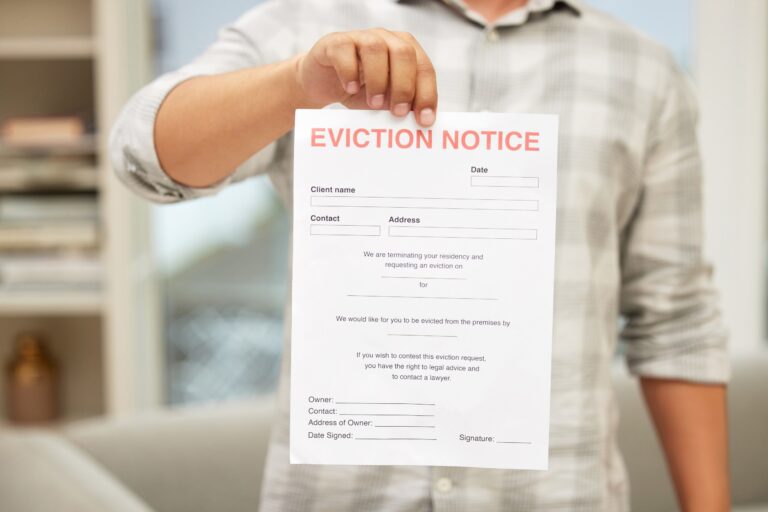
Most tenants pay monthly, so they are considered as having a month to month tenancy. If that is the case, and the tenant is current on rent, you will need to serve the tenant with a 15 day notice under Section 83.57 of the Florida Statutes to terminate the lease. The 15 days has to be served 15 days before the next rental period (i.e. the 1st of the month). If the tenant does not move out, you can file and eviction. If the tenant has failed to pay rent, you can just serve them with a three-day notice.
It is important that the notice you provide the tenant is proper. It may seem like the notice is simple and easy to draft, but there are a lot of mistakes that a well-trained attorney can find, and could lead to your eviction getting dismissed. If that happens, you are at risk for having to pay that attorney’s fee and the tenant’s court costs.
At the Morey Law Firm, P.A., we can help determine your legal rights. We can also provide you with a great written lease agreement. If you live in Orlando or the surrounding area, call to set up your consultation today!